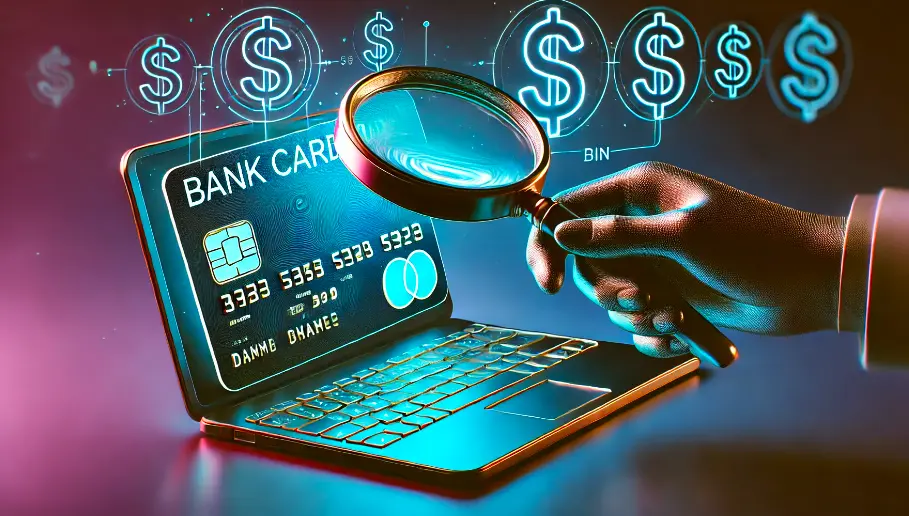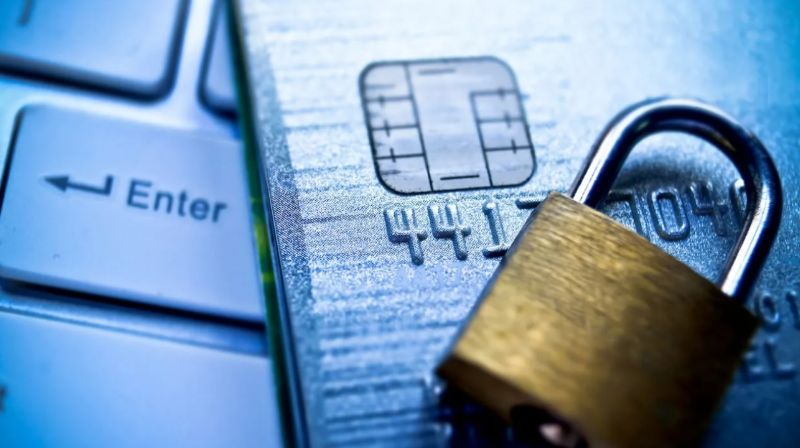
In the sprawling digital marketplace, where transactions occur in the blink of an eye, a complex network of numbers underpins every purchase. Among these, the Bank Identification Number, or BIN, serves as the critical first six to eight digits of any payment card, acting as a digital fingerprint that reveals the issuing bank, card type, and country of origin. To decipher this code, a specialized category of online tools known as BIN Checker has emerged, promising instant insight into the origins of a card. These utilities have become ubiquitous, used by everyone from e-commerce giants to individual consumers, yet their accessibility raises a fundamental question about their inherent nature and the security implications of their use.
The dual-edged character of BIN Checker technology places it at a fascinating intersection of utility and risk. On one hand, these tools are a cornerstone of modern fraud prevention, enabling merchants to verify transactions and protect their revenue streams from fraudulent actors. On the other hand, the very same technology can be leveraged by malicious individuals for nefarious purposes, including data harvesting and facilitating illegal activities.
The Fundamentals of BIN Checker Tools
What Exactly a BIN Represents in Payment Systems
The Bank Identification Number is far more than just a random sequence of digits at the front of your card; it is a highly structured and integral component of the global payment processing infrastructure. Historically a six-digit number, the industry has been expanding towards eight digits to accommodate the sheer volume of new financial institutions and card products. This number is the key that unlocks the first level of transaction authorization, telling the payment processor where to route the request for approval. It identifies the card issuer, such as Chase, Bank of America, or a global credit union, and specifies the card network, be it Visa, Mastercard, American Express, or Discover.
The Core Mechanics Behind a BIN Lookup Service
A BIN checker tool operates on a relatively simple yet powerful principle: it queries a comprehensive database to retrieve the information associated with a specific BIN. These databases are meticulously compiled and maintained through various means, including direct partnerships with financial institutions, data aggregation from payment networks, and public records. When a user inputs a BIN into the checker, the service’s software cross-references this number against its database. The lookup service then instantly returns a structured set of data points.
Differentiating Free Tools from Premium BIN Checker Platforms
The market for BIN checkers is broadly divided into two categories: free, web-based tools and premium, subscription-based platforms, each serving different needs with varying levels of quality and security. Free BIN checkers are typically supported by advertisements and offer basic information such as the bank name, card brand, and country. While convenient for casual, one-off lookups, these free services often rely on older, less frequently updated databases, which can lead to inaccurate results. More importantly, their business model can pose a privacy risk, as they may collect user data or the very BINs being checked for purposes that are not always transparent.
The Legitimate Applications and Benefits of BIN Checking
Enhancing E-commerce Fraud Prevention Strategies
For online merchants, BIN checker tools are an indispensable weapon in the ongoing battle against payment fraud. By analyzing the BIN of a transaction, merchants can implement sophisticated risk-scoring models that flag suspicious activity before a sale is completed. For instance, if a customer’s IP address is in one country but the BIN indicates the card was issued in another, this geographic discrepancy can serve as a powerful red flag. Similarly, merchants can identify transactions originating from high-risk countries known for fraudulent activities or use BIN data to detect cards issued by banks with a history of chargeback issues.
Streamlining Payment Processing for Merchants
Beyond fraud detection, BIN data plays a crucial role in optimizing the payment processing workflow itself, leading to increased efficiency and lower operational costs. When a payment processor knows the issuing bank and card type from the BIN, it can route the transaction more intelligently and directly. This streamlined routing, often referred to as “bin-level routing,” can reduce transaction latency, leading to a faster checkout experience for the customer. Furthermore, some premium BIN checkers provide data on interchange rates and card levels, enabling merchants to apply dynamic pricing or surcharging strategies that account for the specific costs associated with processing that particular card.
Empowering Consumers with Transaction Transparency
While merchants are the primary users, BIN checkers also offer tangible benefits to individual consumers, primarily in the realm of financial awareness and security. A consumer who notices an unfamiliar transaction on their bank statement can use a BIN checker to identify the source. By looking up the BIN of the merchant involved, they can quickly see the name of the business, which can often be different from the “Doing Business As” (DBA) name that appears on the statement.
- Proactive Fraud Mitigation: Identifying geographic and issuer-based inconsistencies in real-time to block potentially fraudulent transactions before they are authorized.
- Optimized Transaction Routing: Using BIN data to send payments through the most efficient and cost-effective processing pathways, reducing latency and interchange fees.
- Enhanced Customer Experience: Minimizing false declines by accurately assessing risk, ensuring legitimate customers are not inconvenienced by overly aggressive security measures.
- Chargeback Reduction: Preventing fraudulent sales at the source, which directly lowers the number of costly and time-consuming chargeback disputes merchants must manage.
Unpacking the Security Risks and Dangers of Unsafe BIN Tools
Data Harvesting and Information Privacy Violations
The most insidious risk associated with unsafe BIN checker tools, particularly the free variants, is the clandestine practice of data harvesting. While the tool itself may only ask for a six-to-eight-digit BIN, the website operators can be collecting a vast amount of ancillary data from every visitor. This includes your IP address, browser fingerprint, device information, and potentially any cookies stored on your system. This data can be aggregated and sold to third-party advertisers, data brokers, or even more nefarious entities. In a more direct privacy violation, some malicious sites may log the very BINs you are checking.
The Threat of Malware, Phishing, and Scams
Disreputable BIN checker websites are frequently used as a front for delivering malware and executing phishing scams. These sites may be riddled with malicious scripts that automatically download malware onto your device without your knowledge, often in the form of keyloggers, spyware, or ransomware. Alternatively, the site might be a sophisticated phishing trap designed to look legitimate. It could prompt you to create an account for “advanced features,” asking for your email address and password, which are then harvested and used to compromise your other online accounts.
Connection to Illicit Activities and the Dark Web
A significant portion of the BIN checker ecosystem has deep, troubling connections to illicit activities, most notably “carding” the trafficking and use of stolen credit card information. On dark web forums and illicit Telegram channels, criminals use BIN checkers to verify the validity and details of stolen card data before attempting to use it for fraudulent purchases. They might filter a list of stolen card numbers by BIN to find cards from specific banks or countries that are easier to exploit. Some BIN checker services are explicitly designed for this criminal underworld, offering features tailored to fraudsters.
How to Identify a Safe and Reputable BIN Checker Service
Evaluating Website Security and Privacy Policies
The first and most critical step in vetting a BIN checker is a thorough examination of the website’s security posture and its commitment to user privacy. A safe service will unequivocally use HTTPS, indicated by the padlock icon in your browser’s address bar. This ensures that the data exchanged between your browser and the website is encrypted and protected from eavesdropping. Delve into the site’s Privacy Policy; a legitimate service will have a clear, easily accessible policy that explicitly states what data they collect, how they use it, and whether they share or sell it to third parties.
Scrutinizing User Reviews and Community Reputation
The collective experience of other users is an invaluable resource for gauging the reputation and reliability of a BIN checker service. Conduct independent searches for reviews of the tool on platforms like Trustpilot, G2, or even relevant subreddits and tech forums. Pay attention to both positive and negative feedback, looking for recurring themes. Are users consistently complaining about inaccurate data? Are there reports of malware or spam after visiting the site? Conversely, do long-term users praise its accuracy and customer support? Be cautious of reviews that seem overly promotional or generic, as these could be fake.
Assessing the Quality and Accuracy of Provided Data
The core function of a BIN checker is to provide accurate data, and a service’s commitment to this function is a direct reflection of its legitimacy. Test the tool with BINs from cards you already own and know the details of. Does it correctly identify the issuing bank, card brand, and country? Compare the results from several different BIN checkers. A reputable service will provide more granular and up-to-date information than its free counterparts. Look for details like the card level (e.g., Classic, Gold, Platinum), the bank’s website URL, and contact information.
- Check for HTTPS Encryption: The website URL must begin with “https://” and display a padlock icon, ensuring your connection is secure and data is encrypted.
- Read the Privacy Policy Thoroughly: A legitimate service will have a clear policy stating they do not log or sell the BINs you check or your personal information.
- Verify Data Accuracy: Test the tool with known BINs to confirm it provides precise, current, and detailed information about the issuer and card type.
- Research User Feedback: Look for independent reviews and community discussions to see if other users have reported security issues, malware, or data privacy problems with the service.
Best Practices for Using BIN Checkers Securely and Effectively
The Importance of Using a Secure Network Connection
Your own digital hygiene plays a pivotal role in ensuring your safety when using any online tool, including BIN checkers. Always perform lookups from a secure and trusted network connection. Avoid using public Wi-Fi networks at coffee shops, airports, or hotels, as these are often unsecured and can be easily monitored by malicious actors. If you must use a public network, it is absolutely essential to activate a reputable Virtual Private Network (VPN). A VPN encrypts all of your internet traffic, creating a secure tunnel between your device and the internet, which protects your data from being intercepted on the network.
Limiting the Amount of Information You Provide
Adopt a minimalist approach when interacting with any BIN checker website. A legitimate BIN lookup tool only requires the first six to eight digits of the card number. Be extremely suspicious of any site that asks for the full card number, the card’s expiration date, the CVV code, your name, or any other personal information. There is no legitimate reason for a BIN checker to need this data, and providing it opens the door to direct fraud or identity theft. Never create an account or provide your email address unless you are dealing with a well-known, premium, enterprise-level service that requires it for API access or account management.
The Legal and Ethical Implications
Using BIN checkers responsibly also means understanding the legal and ethical boundaries surrounding their use. For merchants, this means using the data strictly for fraud prevention and transaction optimization in compliance with regulations like the Payment Card Industry Data Security Standard (PCI DSS). Illegally storing or misusing cardholder data, even just the BIN, can result in severe penalties. For individuals, it is crucial to understand that using these tools to verify stolen card numbers or for any purpose related to financial crime is illegal. The ethical use of BIN checkers is rooted in transparency and security, not in facilitating fraud.
- Never Input Full Card Details: A legitimate BIN checker only needs the first 6-8 digits. Providing the full card number, CVV, or expiration date is a major security risk.
- Use a VPN on Public Wi-Fi: If you must check a BIN while away from a secure network, a Virtual Private Network is essential to encrypt your traffic and protect your data.
- Stick to Reputable, Well-Known Services: Avoid clicking on random ads or links. Instead, bookmark and use services that have a verifiable track record of security and accuracy.
- Clear Your Browser Cache and Cookies: After using a free BIN checker, clearing your browser data can help remove any tracking scripts or cookies the site may have placed on your system.
The Future of BIN Technology and Financial Security
The Evolution from BIN to IIN (Issuer Identification Number)
The term “BIN” is increasingly being replaced by the more accurate “Issuer Identification Number” (IIN) as the industry standard. This change reflects the broader scope of the identifier, which is now used for a wider array of payment products beyond traditional bank-issued cards, including prepaid cards, gift cards, and emerging mobile payment solutions. The transition to longer IINs (from 6 to 8 digits) is a significant development aimed at future-proofing the payment system. This expansion allows for a vastly greater number of unique issuer identifiers, accommodating the growth of fintech companies, neobanks, and non-traditional financial institutions.
The Role of AI and Machine Learning in Fraud Detection
The future of financial security lies not just in the data provided by IINs, but in how that data is analyzed. Artificial Intelligence (AI) and Machine Learning (ML) are poised to revolutionize fraud detection by moving beyond simple, rule-based checks. Instead of just flagging a transaction because the IP country and IIN country don’t match, an AI-powered system can analyze thousands of data points in real-time. It can learn a user’s typical transaction behavior, including the merchants they frequent, the average transaction amount, and the time of day they usually shop. By combining IIN data with device intelligence, behavioral biometrics, and historical transaction patterns, AI can create a highly accurate risk score for each transaction.
Emerging Alternatives and Complementary Security Measures
While IIN checkers will remain a fundamental tool, they are just one layer in a multi-faceted security ecosystem. The future of secure payments will rely on a combination of complementary technologies working in concert. Tokenization is already a major force, replacing sensitive card details with a unique, non-sensitive “token” for each transaction, rendering the original card number useless if intercepted. Biometric authentication, such as fingerprint and facial recognition, is becoming standard for verifying user identity, adding a layer of physical security that is nearly impossible to spoof. Furthermore, the rise of decentralized finance and blockchain-based payment systems could introduce entirely new paradigms for transaction verification that do not rely on a centralized IIN system at all.
Conclusion
BIN checker tools present a dual nature, offering significant benefits for fraud prevention and transparency while simultaneously harboring risks from data harvesting and malware. Their safety is not inherent but is instead a direct consequence of the user’s choice of platform and their adherence to security best practices. By prioritizing reputable services, understanding the underlying technology, and using the tools responsibly, both businesses and consumers can harness their power without falling victim to their dangers. Ultimately, informed and cautious usage transforms a potential vulnerability into a robust layer of financial defense.