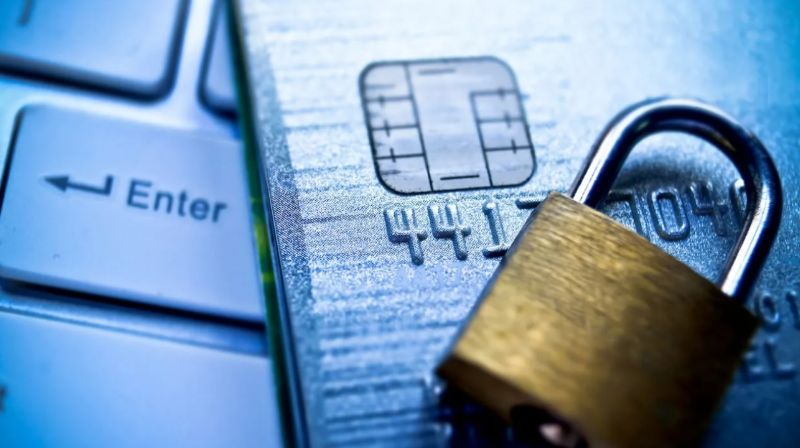
The digital marketplace thrives on seamless transactions, yet this convenience constantly battles a persistent shadow: online fraud. Merchants and financial institutions engage in an unending technological arms race, developing ever more sophisticated defenses against cunning criminal schemes. Among the oldest and most fundamental tools in this arsenal is the Bank Identification Number checker, a system that has evolved from simple paper lists to complex, real-time digital databases. Its longevity suggests value, but the modern fraud landscape demands a critical evaluation of its true effectiveness.
A Bank Identification Number, or BIN, represents the initial four to eight digits of a payment card number, serving as a unique identifier for the issuing institution. A Bin Checker tool, therefore, functions as a specialized lookup service, decoding this numerical prefix to reveal critical data about the card. This information can include the name of the issuing bank, the card brand (such as Visa, Mastercard, or American Express), the card type (credit, debit, or prepaid), and the country of origin. This process provides a foundational layer of insight for any transaction.
The Fundamentals of a Bin Checker
What Exactly Constitutes a Bank Identification Number?
A Bank Identification Number is far more than a random sequence of digits at the start of a card. It is a structured code assigned by international standards bodies, primarily the International Organization for Standardization (ISO) through its ISO/IEC 7812 standard. This system ensures global uniformity, allowing any payment processor anywhere in the world to identify the card’s origin. The first digit denotes the major industry identifier, while subsequent digits pinpoint the specific issuing bank or financial institution.
How Does a Basic Bin Lookup Tool Operate?
The fundamental operation of a Bin Checker is a straightforward database query. A user, typically a merchant or a fraud analyst, inputs the first six to eight digits of a card number into the tool. The software then cross-references this input against its extensive database of BIN records. Within moments, the system returns a structured set of data points associated with that specific BIN. This data is pulled from a master list that is continually updated by the payment networks and acquiring banks. The process is designed for speed and efficiency, providing an instant snapshot of the card’s credentials.
The Evolution From Simple Databases to Dynamic Systems
Early BIN checking relied on static, locally stored text files or printed directories that required manual, periodic updates. This approach was slow and prone to errors, leaving significant gaps for fraudsters to exploit. The advent of the internet and cloud computing revolutionized this process entirely. Modern Bin Checker services are now dynamic, API-driven platforms that connect to centralized, constantly updated databases in real-time. These advanced systems can reflect new BIN issuances, bank mergers, and changes in card product lines almost instantaneously.
The Core Accuracy of Bin Checkers in Fraud Prevention
Verifying Card Issuer and Geographic Location
One of the most powerful applications of a Bin Checker lies in its ability to verify the geographic origin of a card. The tool identifies the country where the issuing bank is located, providing a crucial data point for cross-referencing with other transaction information. For instance, if a customer’s IP address is in the United States but their card is issued by a bank in a high-risk country known for fraud, this discrepancy raises an immediate red flag. Such a mismatch does not automatically confirm fraud, but it signals the need for further scrutiny.
Identifying Card Type and Level for Risk Assessment
Bin Checkers accurately distinguish between different card types, such as credit, debit, prepaid, and commercial cards. This distinction is vital for assessing transaction risk, as each card type carries a different fraud potential. Credit cards often have higher limits and more robust chargeback rights, making them attractive targets for fraudsters. Prepaid cards, on the other hand, are frequently used in fraudulent schemes because they are anonymous and not linked to a personal bank account. Furthermore, the BIN can indicate the card level, such as standard, gold, or platinum, which can also correlate with spending patterns and risk. Understanding the specific card product allows a merchant to apply tailored security measures accordingly.
Cross-Referencing Customer Data Against BIN Information
The true accuracy of a Bin Checker emerges when its data is combined with information provided by the customer. A merchant can verify if the cardholder’s declared bank and country match the details revealed by the BIN lookup. For example, if a customer claims to be using a card from a specific national bank but the BIN points to an obscure regional credit union, this inconsistency warrants investigation. This cross-referencing acts as a simple but effective truth serum, catching customers who may be using stolen card details or attempting to obscure their identity.
- The BIN confirms the card brand, ensuring the transaction is processed through the correct network.
- Issuer identification allows a merchant to recognize a trusted local bank versus an unknown international entity.
- The country code from the BIN is essential for comparing against the customer’s shipping and IP address locations.
- Card type data (credit vs. debit) helps in applying different risk thresholds based on the inherent fraud potential.
- Bank phone number verification, sometimes provided by advanced BIN checkers, allows for an additional layer of manual confirmation if needed.
Inherent Limitations and Potential Vulnerabilities
The Static Nature of BIN Data Versus Dynamic Fraud Tactics
While BIN data provides a snapshot, it is inherently static, representing the card’s origin, not its current status or user. Sophisticated fraudsters easily circumvent this by using tools like VPNs and proxies to mask their true IP address, making it appear as if they are in the same country as the card issuer. A BIN checker would see a perfect match between the IP location and the card’s country, giving a false sense of security. This tactic renders geographic verification alone insufficient. The data from a BIN checker cannot reveal who is physically possessing the card at that moment. It only confirms where the card was originally issued, creating a significant vulnerability that criminals readily exploit.
The Rise of Tokenization and Its Impact on BIN Visibility
The growing adoption of digital wallets and payment gateways that use tokenization presents a major challenge to traditional BIN checking. Services like Apple Pay, Google Pay, and PayPal do not transmit the actual card number during a transaction. Instead, they use a “token” a substitute, encrypted value that represents the card. This token often does not contain the original BIN, or it may contain a BIN specific to the tokenization service provider (e.g., a Visa BIN for a tokenized Mastercard). When a merchant receives a tokenized transaction, a standard Bin Checker lookup may fail or return misleading information about the payment network and issuer.
BIN Attacks and the Compromise of BIN Lists Themselves
Fraudsters are not just users of BIN data; they are also collectors. Large lists of valid BINs are widely available on dark web forums, and criminals use these lists to perform “BIN attacks.” This involves a fraudster taking a known BIN and systematically generating the remaining card number digits and expiration dates, then testing these generated numbers on merchant websites to find a valid, active card. In this scenario, the Bin Checker actually aids the fraudster by confirming that their generated number uses a valid BIN from a legitimate institution. The tool, designed for protection, becomes a component of the criminal’s verification process, highlighting a fundamental vulnerability in its design.
Integrating Bin Checkers into a Broader Security Strategy
Combining BIN Data with IP Geolocation and Device Fingerprinting
The true power and accuracy of a Bin Checker are unlocked only when it is integrated with other fraud detection tools. By layering BIN data with IP geolocation, merchants can spot the sophisticated proxy use mentioned earlier. If the IP address and BIN country match, but the device’s language settings or time zone are inconsistent, a new red flag is raised. Device fingerprinting, which gathers information about the user’s hardware, browser, and network, adds another dimension. A transaction originating from a device known for fraudulent activity, even with a clean BIN/IP match, can be flagged. This multi-layered approach creates a much more reliable and accurate picture of transaction risk than any single data point could provide.
Using BIN Information to Inform Velocity Checks and Rule Sets
BIN data is exceptionally valuable for creating dynamic and intelligent fraud prevention rules. A merchant can implement velocity checks that specifically monitor the number of transaction attempts coming from a single BIN range within a short period. A sudden surge in attempts from one BIN could indicate a BIN attack in progress. Furthermore, rules can be established to treat transactions from certain geographic locations or specific types of card issuers identified by the BIN as higher risk. For example, a merchant might require additional verification for all transactions originating from prepaid cards issued by banks in high-risk countries. This targeted approach allows for fine-tuned security without broadly blocking legitimate customers.
The Role of BIN Checks in Pre-Transaction and Post-Transaction Analysis
The utility of a Bin Checker extends both before and after a sale is made. In a pre-transaction phase, it provides the instant data needed to make an approve-or-deny decision in real-time, preventing fraudulent transactions from ever completing. Post-transaction, BIN data becomes an invaluable tool for chargeback management and representment. If a customer disputes a charge, the merchant can use BIN data to demonstrate that the transaction details were consistent, strengthening their case against “friendly fraud.” It provides a documented data point that the card used was indeed from the region and type of bank the customer would be expected to use. This evidence can be pivotal in winning a chargeback dispute.
- Begin by integrating a real-time BIN checker API directly into your payment gateway or checkout process.
- Create a set of weighted rules based on BIN data, such as flagging transactions from high-risk issuing countries or anonymous prepaid cards.
- Combine BIN checks with IP geolocation analysis to detect and filter out transactions involving VPN or proxy usage.
- Use BIN information to enhance your customer profile data, helping to build a more complete picture of legitimate user behavior over time.
- Regularly review transaction logs to identify patterns of fraud associated with specific BIN ranges and update your security rules accordingly.
Advanced Bin Checker Features and Modern Applications
Real-Time Updates and API-Driven BIN Checker Services
Modern BIN checking has moved far beyond static databases. Today’s leading services are API-driven, offering seamless integration into a merchant’s existing infrastructure via a simple API call. This ensures that the BIN data being used is not just recent, but live. These services are continuously updated by the payment networks, reflecting new bank issuances, changes in BIN ranges, and updated card type information within minutes of the changes occurring. This real-time capability is crucial for maintaining accuracy, as it prevents merchants from making decisions based on outdated information.
Assessing Bank Risk Scores and Country Fraud Rates
Advanced BIN checker services now offer much more than just basic issuer and country data. They enrich the core BIN information with sophisticated risk intelligence. This can include a risk score for the specific issuing bank, calculated based on its historical chargeback ratios and its prevalence in fraudulent transactions. Similarly, these services can provide a fraud rate for the card’s country of origin, allowing merchants to dynamically adjust their security posture based on global threat patterns. A transaction from a card issued by a low-risk bank in a low-risk country would pass through easily, while one from a high-risk combination would be subject to stricter scrutiny. This contextual risk assessment dramatically improves the accuracy of fraud detection.
BIN Checker Tools for Chargeback Prevention and Representment
The fight against fraud does not end when a transaction is approved; it extends into the complex world of chargebacks. Advanced BIN checker tools play a critical role in this post-transaction phase. When a customer initiates a dispute, the merchant can leverage the detailed BIN data to build a compelling case for representment. The data can show that the transaction’s geographic details were consistent, that the card type was appropriate for the purchase, and that the issuing bank was a legitimate institution. This objective evidence helps counter claims of unauthorized use effectively. Furthermore, by analyzing BIN data across all chargebacks, a merchant can identify problematic issuers or regions and proactively adjust their fraud filters to prevent future disputes.
- Some services provide the bank’s website and customer service phone number, enabling direct verification in high-stakes situations.
- Advanced tools can indicate if an issuing bank is known for a lenient chargeback policy, which is a key risk factor for merchants.
- BIN data can be used to segment customers for marketing purposes, ensuring offers are relevant to their card type and issuing region.
- Certain APIs can return the currency of the card’s country of issue, adding another layer for cross-border transaction verification.
- Real-time monitoring of BIN usage can help identify when a specific BIN range is being targeted by a large-scale fraud attack.
The Future Outlook for BIN Technology in Fraud Detection
The Impact of AI and Machine Learning on BIN Data Analysis
The future of BIN checking lies in its integration with artificial intelligence and machine learning. While a BIN checker provides discrete data points, AI can analyze millions of transactions to find subtle, non-obvious patterns in how BINs are used. A machine learning model might discover that a certain combination of card type, issuing bank, and time of day, while not individually suspicious, is a powerful predictor of fraud when seen together. AI can move beyond simple rule-based systems to create dynamic, predictive risk scores that evolve as fraudster tactics change.
Navigating the Challenges of PSD2 and Strong Customer Authentication
Regulatory frameworks like the EU’s Payment Services Directive 2 (PSD2) and its requirement for Strong Customer Authentication (SCA) are reshaping the payments landscape. SCA mandates that electronic payments must be verified using at least two of three independent elements: knowledge (something only the user knows), possession (something only the user has), and inherence (something the user is). This shift seems to diminish the role of a BIN checker, as SCA provides a much stronger layer of verification. However, BIN checks remain relevant for transaction risk analysis (TRA), which can determine when a step-up authentication challenge is required.
Will BIN Checkers Remain Relevant or Become Obsolete?
Despite the rise of AI, tokenization, and stronger regulations, it is unlikely that BIN checkers will become obsolete. Their fundamental purpose providing instant, low-cost, and reliable data about a payment instrument’s origin is too valuable to discard. Instead, their role will continue to evolve. The BIN checker of the future will be less of a standalone tool and more of a critical data feed for larger, AI-powered fraud prevention platforms. It will provide the foundational context upon which more complex risk assessments are built.
Conclusion
Bin Checker serves as an accurate and foundational tool for fraud detection, but it is not a standalone solution. Its true strength is realized when integrated into a multi-layered security strategy, complementing other data points like IP geolocation and device fingerprinting. While its accuracy is challenged by modern tactics like tokenization and proxy use, its ability to provide instant verification of card origin remains invaluable. For effective fraud mitigation, merchants must view it as a critical first step, not the final word, in a comprehensive defense system.