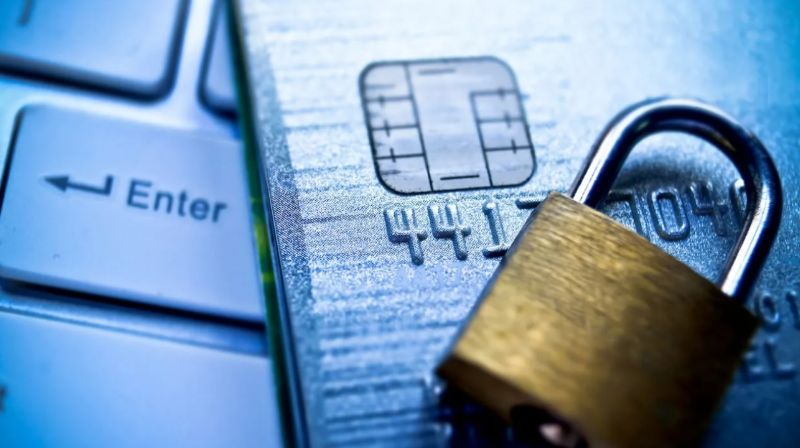
The digital marketplace is a bustling, borderless economy operating at the speed of light. Within this vast ecosystem, millions of transactions occur every minute, each one a delicate dance of trust between a consumer and a merchant. Yet, this convenience comes with inherent vulnerabilities. For every legitimate customer, there’s a potential fraudster lurking in the shadows, armed with stolen card data and sophisticated tactics. This constant threat has forced online stores to become digital fortresses, and a critical component of their defensive arsenal is the often-unseen but incredibly powerful Bank Identification Number BIN Checker tool, acting as a silent, vigilant gatekeeper for every transaction.
At its core, a BIN is the first four to eight digits of a payment card number, a unique fingerprint that identifies the issuing institution and the card’s fundamental properties. It’s the key that unlocks a treasure trove of information, from the card brand (Visa, Mastercard, etc.) and the issuing bank to the country of origin and the card type (credit, debit, prepaid). Before a transaction is fully processed, a BIN Checker tool interrogates this number, cross-referencing it against extensive, constantly updated databases in a fraction of a second.
The Foundation of E-Commerce Security: Understanding BINs
Decoding the Bank Identification Number (BIN)
The Bank Identification Number, more formally known as the Issuer Identification Number is the foundational element upon which the entire card payment network is built. This sequence of digits, typically the first six but now expanding to eight, is not random. It is assigned by international standards bodies to financial institutions that issue payment cards. Think of it as a postal code for the financial world; it instantly tells the payment processor where to route the authorization request.
The Evolution from BIN to IIN
While the term BIN remains widely used in the industry, the official terminology has shifted to Issuer Identification Number to better reflect the modern financial landscape. This change acknowledges that not all card-issuing entities are traditional banks. Today, a vast array of non-banking financial institutions, fintech companies, and even tech giants issue their own branded cards. The evolution to IIN signifies an expansion of the system to accommodate this growing diversity of issuers. This semantic shift is more than just a name change; it represents the adaptation of a core financial infrastructure to a more complex and fragmented ecosystem, ensuring the system remains robust and relevant as new players enter the market.
The Data Residing Within a BIN
A BIN is far more than just an identifier for an issuer; it is a compact data packet rich with actionable intelligence. When a BIN checker tool analyzes a number, it can extract a detailed profile of the card in question. This includes the card brand (Visa, Mastercard, American Express, Discover), the level of the card (Standard, Gold, Platinum), and whether it is a credit, debit, or prepaid card. Furthermore, it reveals the country where the card was issued, the name of the issuing bank, and sometimes even the specific type of bank, such as a commercial bank, a credit union, or an investment bank.
Fortifying the Gateway: Preventing Fraud Before It Happens
Identifying High-Risk Transactions in Real-Time
One of the most critical functions of a BIN checker is its ability to flag high-risk transactions as they are happening. Consider a scenario where an online store, based primarily in the United States, receives a large order from an IP address in Nigeria, but the card used was issued in a small European country known for high rates of online fraud. This geographical discrepancy is a massive red flag. The BIN checker instantly identifies this mismatch, allowing the merchant’s fraud system to either block the transaction automatically or subject it to enhanced verification, such as 3D Secure, thereby preventing a fraudulent sale before it can cause financial damage.
The Role of BIN Checkers in Combating Card Testing Attacks
Fraudsters often employ automated bots to conduct “card testing” or “carding” attacks. These bots use stolen card numbers to make a series of very small, often $1, purchases on a merchant’s website to test which cards are still active and valid. A BIN checker can be configured to detect this behavior. If the system sees multiple attempts from the same IP address using cards from a wide variety of different BINs in a short period, it can identify it as a bot attack and block the IP address. This proactive measure protects the merchant from being used as a testing ground, which can lead to processing fees and a higher risk profile.
Reducing Friendly Fraud and Chargeback Ratios
Not all fraud is perpetrated by external criminals; “friendly fraud” occurs when a legitimate customer makes a purchase and then falsely claims they did not receive the goods or the transaction was unauthorized to get a refund. While BIN checkers can’t stop this entirely, they can help build a case against it. By logging the BIN data, including the country and bank of issue, a merchant can build a profile of a customer’s purchasing habits. If a customer who has always used a domestic card suddenly uses a foreign-issued card for a large, unusual purchase, it can be flagged for additional verification, creating a stronger record to challenge a potential chargeback claim.
- BIN data reveals the card’s country of origin, enabling geolocation checks against the customer’s IP address and shipping address.
- It identifies the card type (credit, debit, prepaid), allowing merchants to set different risk thresholds for each, as prepaid cards are often used in fraudulent schemes.
- The tool can detect card testing attacks by flagging multiple authorization attempts from a single source using cards from numerous different issuers in a short timeframe.
- By providing a clear data trail, BIN checks help merchants build evidence to successfully dispute illegitimate chargeback claims.
Streamlining Operations: Enhancing Efficiency and Accuracy
Automating Card Validation for Faster Checkout
In the fast-paced world of e-commerce, every second counts. A clunky or slow checkout process is a primary driver of cart abandonment. BIN checker tools contribute to a frictionless experience by automating the initial card validation step. As soon as a customer types the first few digits of their card number, the system can use the BIN data to automatically populate the card brand field. This not only saves the customer a click but also reduces the chance of them selecting the wrong card type, which could lead to an unnecessary transaction decline. This small automation enhances the user experience and increases the likelihood of a successful conversion.
Integrating BIN Data with Payment Gateways
The true power of BIN checker tools is unleashed when they are seamlessly integrated with a merchant’s payment gateway and fraud management system. This integration creates a unified, intelligent workflow. When payment information is entered, the BIN is instantly checked, and the resulting data is passed along with the transaction details to the gateway. The gateway can then use this information to make smarter routing decisions, for example, sending a transaction to a specific processor that has a better connection with the issuing bank, potentially improving authorization rates and reducing processing fees. This creates a highly optimized and efficient payment ecosystem.
Minimizing Manual Review and Operational Overhead
Without an automated BIN checking system, merchants would be forced to manually review a much larger volume of suspicious transactions. This process is not only incredibly time-consuming but also prone to human error. A fraud analyst might miss a subtle pattern that an automated system would catch instantly. By automating the initial risk assessment, BIN checkers drastically reduce the number of transactions that require manual intervention. This frees up valuable human resources to focus on more complex, high-value tasks, significantly lowering operational overhead and allowing the business to scale its operations without a proportional increase in its fraud review team.
Optimizing the Customer Journey: Building Trust and Loyalty
Personalizing the Checkout Experience Based on Card Type
Modern consumers expect a personalized and intuitive online experience. BIN data allows merchants to deliver just that at the most critical stage: the checkout. By identifying the card brand and type, the website can dynamically display the correct card logo (e.g., the Visa or Mastercard symbol), which provides visual confirmation to the customer that their card is accepted. Furthermore, for premium cardholders (identified by the BIN), a merchant could choose to display a specific message or offer, acknowledging their status. This level of personalization makes the customer feel understood and valued, fostering a positive connection with the brand.
Proactively Addressing Payment Issues for a Smoother Flow
Nothing frustrates a customer more than having their payment declined without a clear reason. BIN checkers can help prevent this. A merchant can configure their system to recognize BINs from countries or banks they do not do business with or have had issues with in the past. If a customer enters such a card, the system can proactively display a helpful message, such as, “We’re sorry, but we do not currently accept cards from this bank. Please try another payment method.” This is far better than a generic “Transaction Declined” message, as it explains the problem and allows the customer to try an alternative without abandoning their cart out of frustration.
Enhancing Perceived Security and Brand Reputation
Customers are increasingly aware of online security risks. By visibly taking steps to protect them, merchants can build significant trust. While the BIN check happens behind the scenes, its effects contribute to a more secure environment. When customers experience fewer data breaches (because the merchant is weeding out fraudulent cards) and see that their transactions are processed smoothly and intelligently, their confidence in the brand grows. A reputation for being a secure and reliable place to shop is a powerful competitive advantage that leads to higher customer retention and positive word-of-mouth referrals.
- Displaying the correct card logo based on BIN data provides instant visual confirmation and reduces customer confusion during checkout.
- Proactively informing customers about unsupported cards or potential regional issues prevents frustrating transaction declines and reduces cart abandonment.
- Using BIN data to offer localized payment options or currency based on the card’s country of issue creates a more familiar and trustworthy experience for international shoppers.
- A secure and seamless payment process, bolstered by BIN checks, builds long-term customer loyalty and enhances the overall brand reputation.
Gaining a Competitive Edge: Data-Driven Business Intelligence
Analyzing Customer Demographics and Payment Preferences
The data collected by BIN checker tools is a goldmine for business intelligence. By analyzing the BINs of successful transactions, merchants can gain deep insights into their customer base. They can identify which countries their customers are coming from, which banks are most popular, and whether their customers prefer to use credit, debit, or prepaid cards. This demographic and psychographic data is invaluable for tailoring marketing messages, product offerings, and website features to better match the preferences of their core audience, leading to more effective campaigns and higher conversion rates.
Tailoring Marketing Strategies Based on Geographic Data
Geographic data derived from BINs allows for highly targeted and efficient marketing. If an analysis reveals a strong and growing customer base in a particular country, such as Australia, the marketing team can launch a dedicated campaign for that region. This could include creating localized ad copy, featuring products that are popular with that demographic, and even scheduling social media posts to align with the Australian time zone. This level of geographic targeting ensures that marketing budgets are spent where they will have the most impact, maximizing return on investment and accelerating growth in key markets.
Informing Business Expansion and Currency Support Decisions
For an online store with global ambitions, BIN data is an essential strategic tool. Before expanding into a new international market, a merchant can analyze their existing traffic and sales data. If they see a significant number of visitors and a growing number of transactions using cards issued in Brazil, it’s a strong signal that there is organic demand for their products in that country. This data can inform the decision to officially target the Brazilian market, including offering Portuguese language support and pricing in Brazilian Reals (BRL). This data-driven approach to expansion significantly de-risks the investment and increases the probability of success.
- Merchants can identify the most popular card brands and banks among their customers, allowing them to optimize payment gateway partnerships for better success rates.
- Analysis of geographic BIN data helps in deciding which new countries to target for marketing campaigns or full-scale market entry.
- Understanding the ratio of credit to debit card usage can inform financing options, such as offering “Buy Now, Pay Later” services to debit card-heavy demographics.
- Tracking trends in card issuance from new fintech companies can help merchants stay ahead of emerging payment behaviors and preferences.
The Future of BIN Technology: Adapting to a Changing Landscape
The Impact of Tokenization and Digital Wallets on BINs
The payment landscape is undergoing a seismic shift with the rise of tokenization and digital wallets like Apple Pay and Google Pay. In these systems, the actual 16-digit card number is never shared with the merchant. Instead, a “token” a surrogate card number is used for the transaction. However, the BIN remains crucial. The token is still mapped back to the original card’s BIN, allowing the issuer to authenticate the transaction without exposing the primary account number. BIN checker tools are evolving to parse this tokenized data, ensuring they continue to provide the same level of security and intelligence even as the underlying payment technology changes.
Machine Learning and AI in Advanced BIN Analysis
The future of BIN checking lies in artificial intelligence and machine learning. While current tools are excellent at identifying known risk patterns, AI-powered systems can go much further. They can analyze billions of transactions to identify subtle, emergent patterns of fraud that would be invisible to rule-based systems. An AI model could learn that a specific combination of card type, issuing bank, time of day, and transaction amount, while seemingly benign on its own, is actually a strong predictor of a new type of fraud. This predictive, self-learning capability will represent the next frontier in transaction security, making fraud prevention even more proactive and effective.
Navigating Regulatory Changes and Data Privacy
As BIN data becomes more integral to business operations, it also falls under increasing scrutiny from regulators. Data privacy laws like the GDPR in Europe and the CCPA in California place strict limits on how personal and financial data can be collected, stored, and used. The future of BIN technology will depend on its ability to provide powerful insights while remaining fully compliant with these evolving regulations. This means developing systems that can anonymize data where necessary, provide transparent audit trails, and give consumers control over their information. The challenge for BIN checker providers will be to balance the need for rich data with the fundamental right to privacy.
Conclusion
BIN checker tools have transitioned from a niche security utility to an indispensable pillar of a successful online business. They are the silent workhorses that protect revenue, streamline operations, and unlock deep customer insights. By providing a critical first line of defense against fraud, enhancing the checkout experience, and fueling data-driven strategy, these tools empower merchants to not only survive but thrive. As payment methods evolve and fraudsters become more sophisticated, the reliance on intelligent BIN analysis will only grow, cementing its role as a foundational technology for the future of digital commerce.